19 October 2026
The first episode of CLAIM the Mic

Inside OLX Group's AI journey

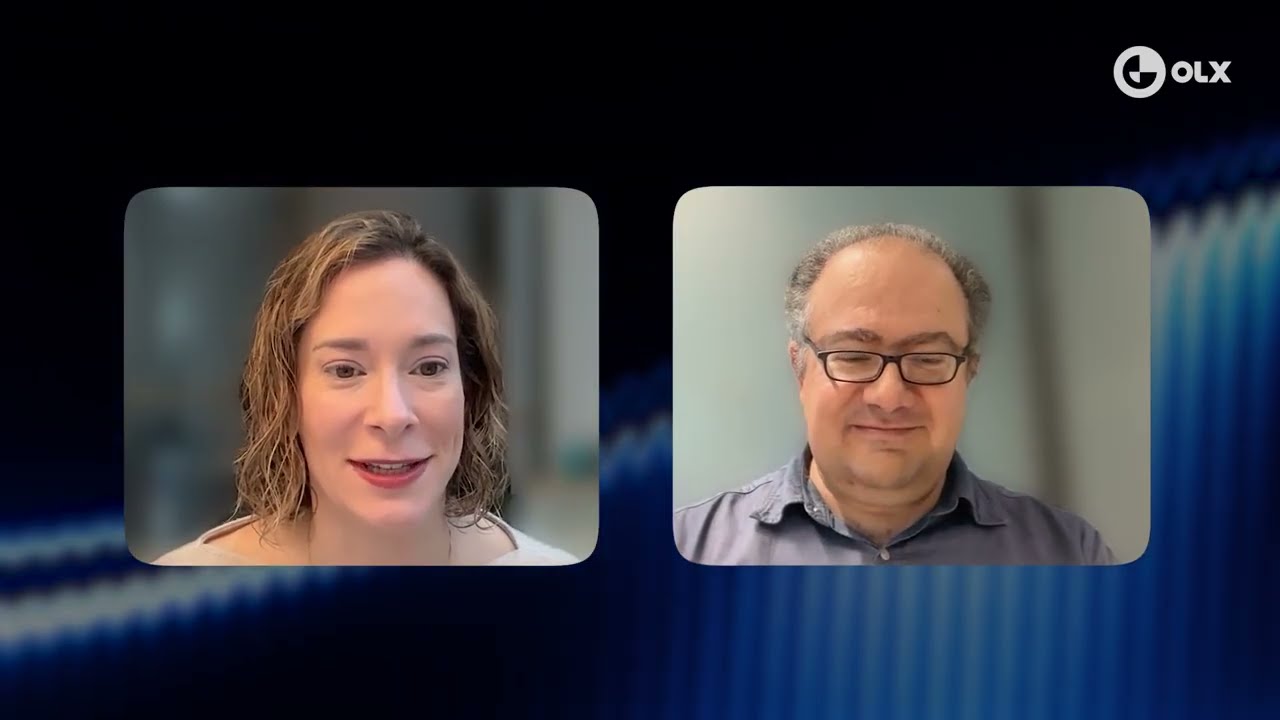
In the first episode of CLAIM the Mic, OLX Group’s Chief Data Officer, Andreas Merentitis, joins Ana Garcia to discuss eight years of AI experience, real-world applications, productivity and the future of AI-native marketplaces.


🎧 Listen on Spotify
What does building an AI-native business actually look like? And how do you know if AI is making a difference? These are some of the questions explored in the first episode of CLAIM the Mic, a new podcast featuring conversations about AI, technology and leadership.

For the premiere, Ana Garcia, Head of Communications and ESG at OLX Group, sits down with Andreas Merentitis, our Chief Data Officer, to discuss eight years of AI experience, real-world applications and what comes next for AI-native marketplaces.

From thousands of AI agents to the challenges of information overload, here are some of the highlights from their conversation.

Eight years of AI, and counting

When Ana asks about OLX Group’s AI philosophy, Andreas starts by looking back.

Our journey began in 2018, well before generative AI became a mainstream topic. According to Andreas, those years of investment helped establish the data infrastructure, experimentation platforms and culture needed to adopt new technologies at scale.

And the numbers offer a glimpse of what that looks like today: 5,000 AI agents used internally, 85 AI use cases, including around 15 agentic customer-facing applications, and 234 million API calls from external use cases to the GenAI platform in just one month.

But throughout the conversation, Andreas makes an important distinction: adopting AI isn’t just about deploying new technology. It’s also about having the experience, tools and culture to make it useful.


An AI use case that Andreas particularly likes

With so many AI applications across OLX Group, Ana asks Andreas to pick his favourite.

His answer? An AI-powered job interview coach.

The tool helps people at the beginning of their careers prepare for job interviews. Candidates can practise with AI, receive feedback on their answers and identify areas where they could improve.

For Andreas, it’s an example of how AI can bring value to different sides of a marketplace. Job seekers become better prepared, employers can connect with suitable candidates, and the platform helps bring them together.

As he puts it, it’s a “win-win-win”.

What does a 276% ROI improvement tell us?

Another question Ana raises is one that many organisations are still trying to answer: how do you measure the return on AI investments?

Andreas explains that years of experimentation have helped OLX Group develop a more disciplined approach to measuring impact.

One example is the recommendation platform. At least once a year, the team temporarily switches off its advanced capabilities to understand how much difference they make to customer metrics.

The most recent experiment showed a 276% ROI improvement, reflecting the cumulative impact of improvements made over seven years.

It’s an interesting reminder that the value of AI doesn’t always come from one major breakthrough. Sometimes, it’s the result of years of testing, learning and improving.

Is AI making work better, or just creating more of it?

Not every part of the conversation is about what AI can achieve.

Ana also raises a challenge that many people are experiencing: AI can help us produce more, but it can also create more information for everyone to process.

Andreas recognises the problem. Longer documents, bigger presentations and more content are some of the effects he’s observed.

He also discusses AI slop, the growing volume of low-quality or unnecessary AI-generated content, and explains why helping teams communicate clearly and concisely is becoming increasingly important.

For Andreas, the goal isn’t simply to produce more with AI. It’s to use the technology in ways that genuinely help people work better.

If AI models become a commodity, what makes the difference?

Towards the end of the episode, Ana asks Andreas about the future of large language models. As models become more accessible and affordable, will the technology itself still offer a competitive advantage?

His answer brings the conversation back to what makes marketplaces work.

Andreas believes that choosing the right model for the right task will remain important, particularly when it comes to cost and efficiency.

But for OLX Group, he argues, the real advantage isn’t the models themselves. It’s the data, insights and experience gained from connecting buyers and sellers over the past 20 years.

These are the foundations that can help marketplaces evolve as AI agents take on a bigger role in how people search, buy and sell.

Watch the first episode of CLAIM the Mic

From measuring AI’s impact to finding the balance between automation and human experience, the first episode of CLAIM the Mic brings together practical examples and questions about the future of technology.

Andreas and Ana explore what eight years of AI experience can teach us, and why the decisions organisations make today matter for what comes next.

Watch the full episode below, or listen on Spotify.