




20 March 2026

The Future of Marketplaces Is AI: What We Learned at OLX’s CLAIM AI Event

Exploring how AI is already transforming digital marketplaces, and how agentic systems are shaping the next era of online commerce.
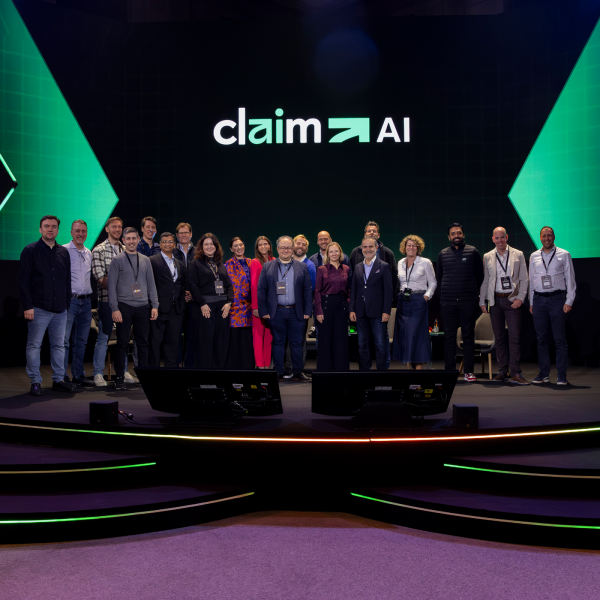
Last month in Lisbon, we brought together leaders from across the global technology and marketplace ecosystem for CLAIM AI, a two-day event dedicated to exploring a question that is already reshaping the industry:
How is artificial intelligence transforming digital marketplaces today, and what comes next?


The conversations reflected a reality we have been building toward for years. After more than eight years of experimenting with and implementing AI, we have invested over $200 million in AI capabilities, embedding intelligence directly into our platforms to improve discovery, trust, and automation for millions of users.

Today, we have deployed more than 75 AI use cases across our marketplaces, including generative AI solutions that help users and professional customers create listings faster, discover relevant opportunities, and navigate complex decisions more easily.

Over two days at CLAIM AI, founders, engineers, investors, and product leaders gathered to discuss how AI is already transforming the way people buy, sell, search, and make life decisions online.
For us, CLAIM AI was not just about sharing ideas. It was about bringing the marketplace ecosystem together around the next phase of this transformation.

Because one thing is becoming increasingly clear:
AI was the foundation. Agentic AI is shaping the next generation of marketplaces.

And at OLX, we are building the platforms that power this new era.

Christian Image Claimnew

Why AI matters for the future of marketplaces

Marketplaces have always evolved alongside technological innovation. From print classifieds to online platforms, and later to mobile-first experiences, every technological shift has changed how people discover opportunities and connect with buyers or sellers. Artificial intelligence represents the next major transformation. Unlike previous waves of innovation, however, AI is not simply changing how products are built. It is reshaping how organisations operate, how teams work, and how decisions are made.


During the opening discussions at CLAIM AI, our CEO Christian Gisy, emphasised that AI transformation should not be seen as a one-time technological upgrade, but as an ongoing shift in how companies operate:
“AI transformation is not just sprinkling. It’s happening every day, and it’s especially changing the way we work.”


In other words, AI is becoming embedded in the operational fabric of companies. It is influencing how teams collaborate, how products evolve, and how marketplaces create value for users. For organisations operating at a global scale, this transformation requires both technological investment and cultural adaptation.

A global conversation about
AI and marketplaces

Bringing together leaders from across the technology and marketplace ecosystem was a central goal of CLAIM AI. The event created a space where founders, product leaders, engineers, investors, and industry experts could exchange perspectives on how artificial intelligence is reshaping their organisations and industries.

Across keynotes and panels, speakers explored topics including AI-powered discovery and recommendations, agentic systems and autonomous workflows, AI-driven product development, and marketing in the age of generative search. One idea repeatedly surfaced throughout the conversations: the speed of the current technological shift.

Over the past decades, the internet, smartphones, and cloud computing have each transformed how digital businesses operate. But the scale and pace of the current AI wave appear to be unprecedented.
As our Chief PDMT Officer, Tim Davis, explained during the opening session:


“None of them have been anywhere close to as fast as the transformation coming from generative AI.”


That acceleration is forcing companies to rethink far more than their products. It is reshaping internal processes, decision-making, and even organisational structures. Many speakers noted that the companies that succeed in this environment will not necessarily be those with the most advanced technology, but those that can adapt and learn the fastest.,

Tim Image Claim
Claim at a glance5

From searchable listings to agentic marketplaces

One of the most significant shifts discussed during CLAIM AI was how AI is changing the way users interact with digital platforms. Traditionally, marketplaces functioned as searchable databases where users manually browsed listings, compared options, and evaluated large amounts of information before making a decision.

Artificial intelligence is beginning to change that dynamic. Instead of simply presenting search results, marketplaces are increasingly evolving into intelligent systems that help guide users through complex decisions.

This transformation is particularly relevant for categories such as Motors, Real Estate, and Jobs, where decisions often involve significant financial and personal impact. AI can help users discover relevant listings faster, compare options across large inventories, generate listings automatically, and receive recommendations based on preferences and behaviour.

Much of today’s online experience still relies on a model where users perform most of the work themselves. They search, filter, compare listings, and manually evaluate large numbers of options before making a decision. Artificial intelligence is beginning to change that model. And the implications could be profound.

Across several sessions at CLAIM AI, speakers explored how agentic AI systems could transform digital platforms by actively assisting users throughout the decision-making process.
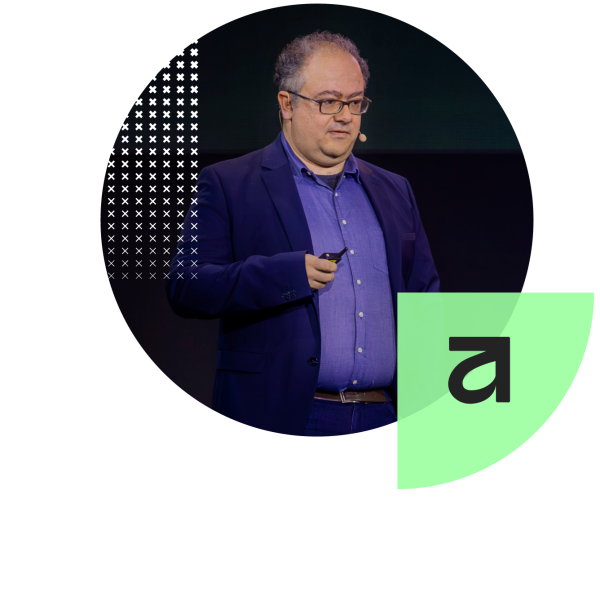
Andreas Image Claimm


“Now we are moving to an era
where agents act as consultants,
as advisors, on behalf of users, search,
negotiate, and possibly even purchase
there directly.”


 — Andreas Merentitis, Chief Data Officer, OLX

 

For marketplaces, this opens the door to entirely new product experiences where AI becomes an active participant in the transaction process.

Turning AI innovation into real customer value

One practical takeaway from many of the discussions was that the real challenge for companies is not simply experimenting with AI, but translating technological capabilities into tangible improvements for users.


Across many marketplace platforms, artificial intelligence is already improving the core experience of buying and selling. AI-powered tools can help sellers generate listing descriptions, titles, and attributes automatically, significantly reducing the time required to create high-quality listings. Personalisation algorithms are also improving discovery by helping buyers find more relevant listings within large inventories.


In several cases, these innovations are already producing measurable results, increasing engagement, improving listing quality, and accelerating transactions.

But turning AI innovation into lasting impact also requires long-term investment. Developing meaningful AI capabilities involves building infrastructure, strengthening data platforms, and developing the talent required to scale these technologies.

During the Investing for the Future panel, our CFO
Suresh Krishnan, discussed how many transformative technologies initially appear uncertain before their full impact becomes clear.


“These are consistent compounders… only time will prove that they are right or wrong.”


The benefits of AI rarely appear overnight. Instead, they develop gradually as systems improve, data accumulates, and organizations learn how to integrate these technologies into their products and workflows.
For marketplaces, the long-term opportunity lies in combining AI capabilities with the rich data generated by millions of transactions across categories such as Motors, Real Estate, and Jobs.


Suresh Image Claim

Preparing for the age of AI discovery

The way people search for information online is changing rapidly. As conversational AI and generative search tools become more widely used, users are increasingly asking complex questions rather than typing simple keyword queries.


For marketplaces, success in this new environment will depend on:
  • trusted brands
  • reliable and structured data
  • high-quality product experiences
  • authoritative information


Platforms that consistently deliver value are more likely to be surfaced and recommended by AI-driven search systems.


Looking ahead

Artificial intelligence is still evolving, and many of its long-term implications are only beginning to emerge. But the conversations at CLAIM AI made one thing clear.
The future of marketplaces will be shaped by platforms that combine technology, data, and deep marketplace expertise to help people navigate important life decisions.

Hosting CLAIM AI was an important step in that direction. And as AI continues to transform the digital economy, the conversations that started in Lisbon will only become more important.

FAQ